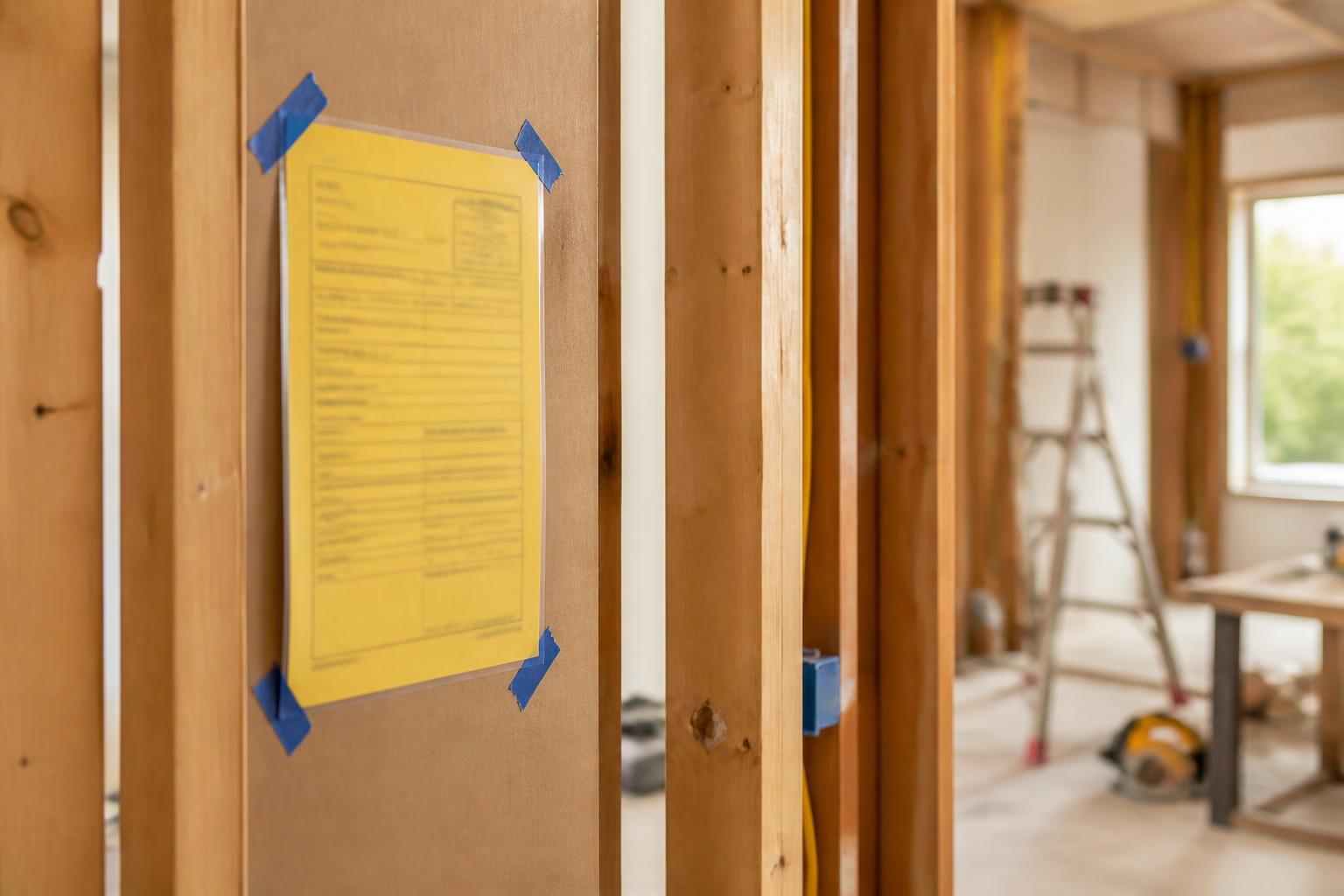
Do You Need a Permit for a Kitchen or Bathroom Remodel in Dublin, Ohio?
What triggers a permit, what does not, who is responsible for pulling it, and why unpermitted work in Dublin creates a problem you will not discover until the worst possible moment.
Written by John Cassell, Owner & CEO · 6 min read · Process · 5.1.26
You are sitting across from a contractor who seems capable and whose price is reasonable. The project is a kitchen remodel: new cabinets, countertops, the wall between the kitchen and dining room coming down to open the space. He mentions permits in passing and adds that they slow things down, cost extra, and are not always necessary for this kind of work.
Something about that does not sit right. But you are not sure whether your instinct is correct or whether you are being overly cautious. You make a mental note to look it up later and then forget about it until the project is done and someone at a dinner party mentions that they had an issue with unpermitted work when they went to sell their home.
Permit confusion is one of the most common sources of low-level dread in the early stages of a remodeling project. The rules are not obvious, the consequences of getting it wrong are not immediate, and contractors do not always make it easy to get a straight answer. What follows is a direct guide to what requires a permit in Dublin, Powell, and Upper Arlington, what does not, and how a well-run remodeling project handles the process so the homeowner never has to think about it.
Permit requirements are generally governed by the 2018 International Residential Code and are generally handled at the local municipality level. Dublin, Powell, and Upper Arlington each administer permits through their own building departments, but the underlying triggers for what requires a permit are consistent across these communities for residential remodeling work.
Kitchen Remodel Permits in Dublin, Ohio: What Requires One
The practical test for whether a permit is required comes down to one question: does the work affect structure, systems, or the configuration of the space? Cosmetic changes to surfaces do not require a permit. Changes to what is behind those surfaces almost always do.
Wall removal or structural changes. Any wall removal, whether load-bearing or not, requires a permit in Dublin. Load-bearing walls additionally require an engineered beam specification and structural inspection.
Electrical work beyond fixture replacement. New circuits, panel upgrades, outlet relocation, and under-cabinet lighting on new circuits all require an electrical permit and licensed electrician.
Plumbing relocation or new rough-in. Moving a sink, adding a second sink, or relocating the dishwasher drain requires a plumbing permit. Supply line replacement in place typically does not.
Gas line work. Any modification to a gas line serving a range, cooktop, or range hood requires a permit and licensed gas contractor.
Ventilation changes. New range hood installation with exterior exhaust requires a mechanical permit, particularly if it penetrates an exterior wall or roof.
Cabinet replacement in the same footprint. Removing and replacing cabinets without moving walls, plumbing, or electrical does not require a permit in Dublin.
Countertop replacement. New countertops on existing cabinetry, including stone, quartz, or laminate, do not require a permit.
Backsplash tile. Installing or replacing a backsplash is surface finish work and doesn't require a permit, including replacing the drywall behind it. A permit is only triggered if you also modify the electrical or plumbing while you're in there, such as adding or relocating an outlet, adding under-cabinet lighting, or moving a switch, and that permit is for the electrical or plumbing work itself, not the tile.
Flooring. New flooring in the kitchen footprint, including hardwood, tile, and LVP, does not require a permit.
Painting and trim. Cosmetic updates to wall surfaces, ceiling, and trim work do not require permits.
Most Gentry kitchen projects include at least one permit trigger. Wall removal, electrical panel upgrades for high-performance appliances, and plumbing relocation for island sinks are all common elements of the kitchens Gentry builds in Dublin and Powell, and all of them require permits. A kitchen project that has none of these elements is a surface refresh, not a full remodel.
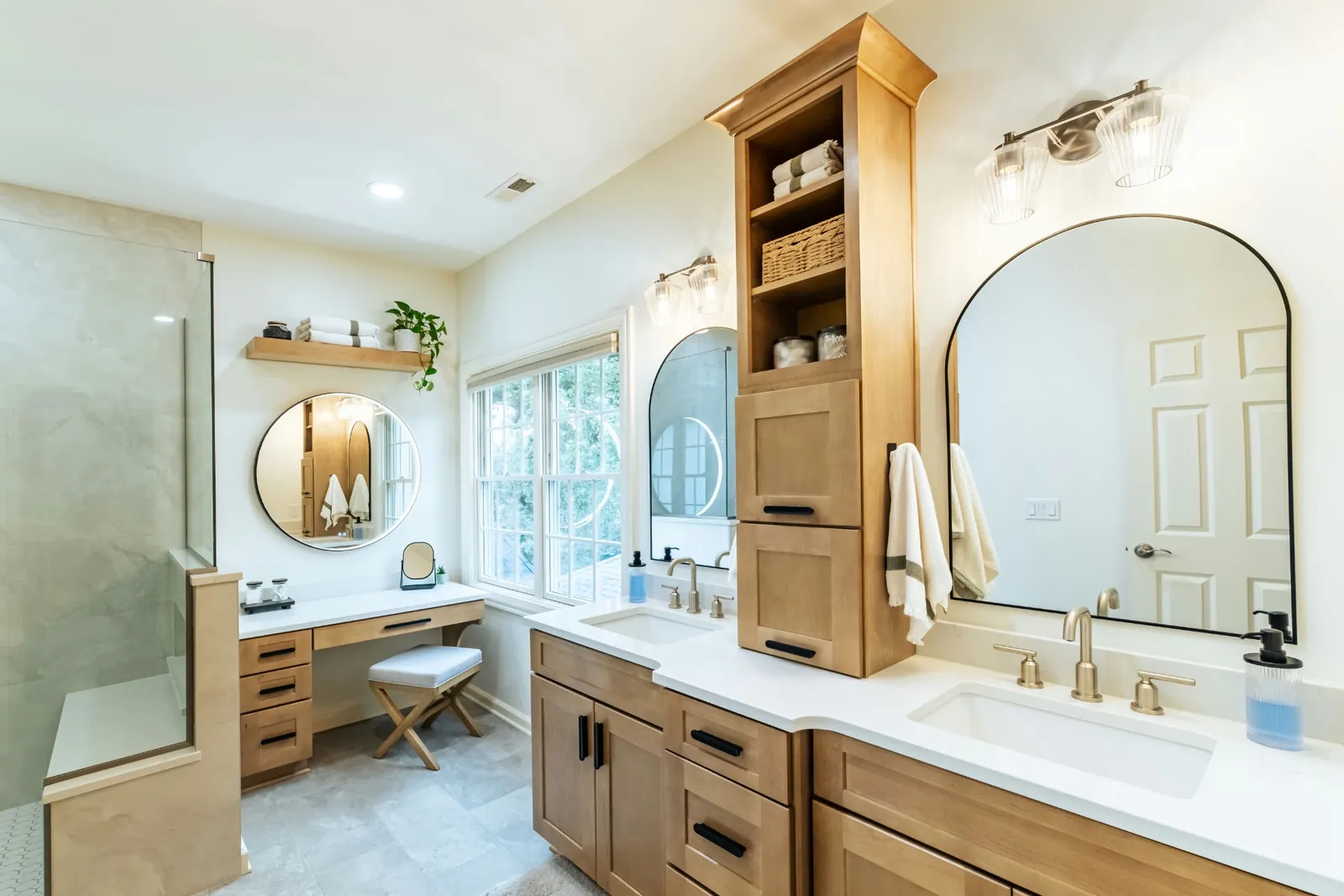
Warm Modern Primary Bath · Dublin, Ohio · Gentry Custom Remodeling
"The quality of their work, the meticulous detail of each craftsman: we couldn't have asked for any more."
Bathroom Remodel Permits in Dublin, Ohio: What Requires One
Bathrooms follow the same structural logic as kitchens: cosmetic changes to surfaces do not require permits, but work that touches systems or changes the configuration of the space does. Primary bathroom remodels in Dublin homes built between 1985 and 2005 almost always involve at least one permit trigger.
Converting a tub to a walk-in shower. This changes the drain configuration, typically requires new waterproofing to code, and almost always involves both plumbing and tile substrate changes that require inspection.
Moving or adding plumbing fixtures. Relocating a toilet, adding a second sink, or moving a shower drain requires a plumbing permit. Work on existing supply lines in place generally does not.
Electrical work. Adding a GFCI circuit, installing heated floors on a new circuit, adding recessed lighting, or upgrading ventilation fans all require electrical permits in Dublin.
Wall removal or layout changes. Expanding a primary bathroom into an adjacent closet or bedroom, or removing a wall to combine two smaller bathrooms, requires a structural permit.
Skylight addition. Adding a skylight over a soaking tub, which is a design element in several Gentry primary bathroom projects, requires a building permit with structural review.
Vanity replacement in the same location. Swapping a vanity and top without moving plumbing connections does not require a permit.
Tile replacement on walls and floors. Re-tiling a shower, tub surround, or bathroom floor is finish work and doesn't require a permit, even when you strip the walls back to the studs and install new backer board, waterproofing, and tile. A permit comes into play only when the work moves into the framing (altering structure) or the plumbing (moving a drain or supply line, replacing the valve body, or rebuilding the shower pan).
Faucet, toilet, and fixture replacement. Replacing fixtures in place, including faucets, showerheads, and toilets, does not require a permit.
Mirror and lighting fixture swaps. Replacing an existing light fixture with a new one on the same circuit does not require a permit.
Paint and trim. Cosmetic surface updates do not require permits.
What happens if remodeling work is done without a permit in Dublin?
The bigger issue isn't a penalty, it's peace of mind. A permit means the work was reviewed and inspected by a third party, so you know it was done right and to code. That protection matters most where you can't see it: the framing, plumbing, and electrical behind the walls. When you sell, Ohio's property disclosure form asks what you know about the home, and permitted work lets you answer with confidence rather than guesswork. Doing it right the first time, with the paperwork to back it up, is always worth more than the cost of the permit.
Who Is Responsible for Pulling the Permit?
In local municipalities like Columbus, Dublin, and Upper Arlington, the general contractor or licensed trade contractor is legally responsible for obtaining the permits required for their scope of work. A homeowner can pull their own permit for work they perform themselves, but they cannot pull a permit on behalf of a licensed contractor. The contractor must apply under their own license.
A contractor who asks you to pull your own permit for work they are performing is either unlicensed, operating outside their license category, or attempting to transfer liability to you. None of those situations are acceptable. Gentry pulls every permit required for every project. The homeowner does not manage that process, schedule inspections, or coordinate with the building department at any point.
How Long Does a Dublin Building Permit Take?
Dublin's building department reviews residential remodeling permit applications within 5 to 15 business days for standard kitchen and bathroom scopes. Projects with structural changes or engineered drawings may take longer, particularly if the application requires a plan review cycle. Gentry submits permit applications at the completion of the design phase, so approval is in hand before construction is scheduled to begin. The permit timeline is built into the project schedule, not added to it after the fact.
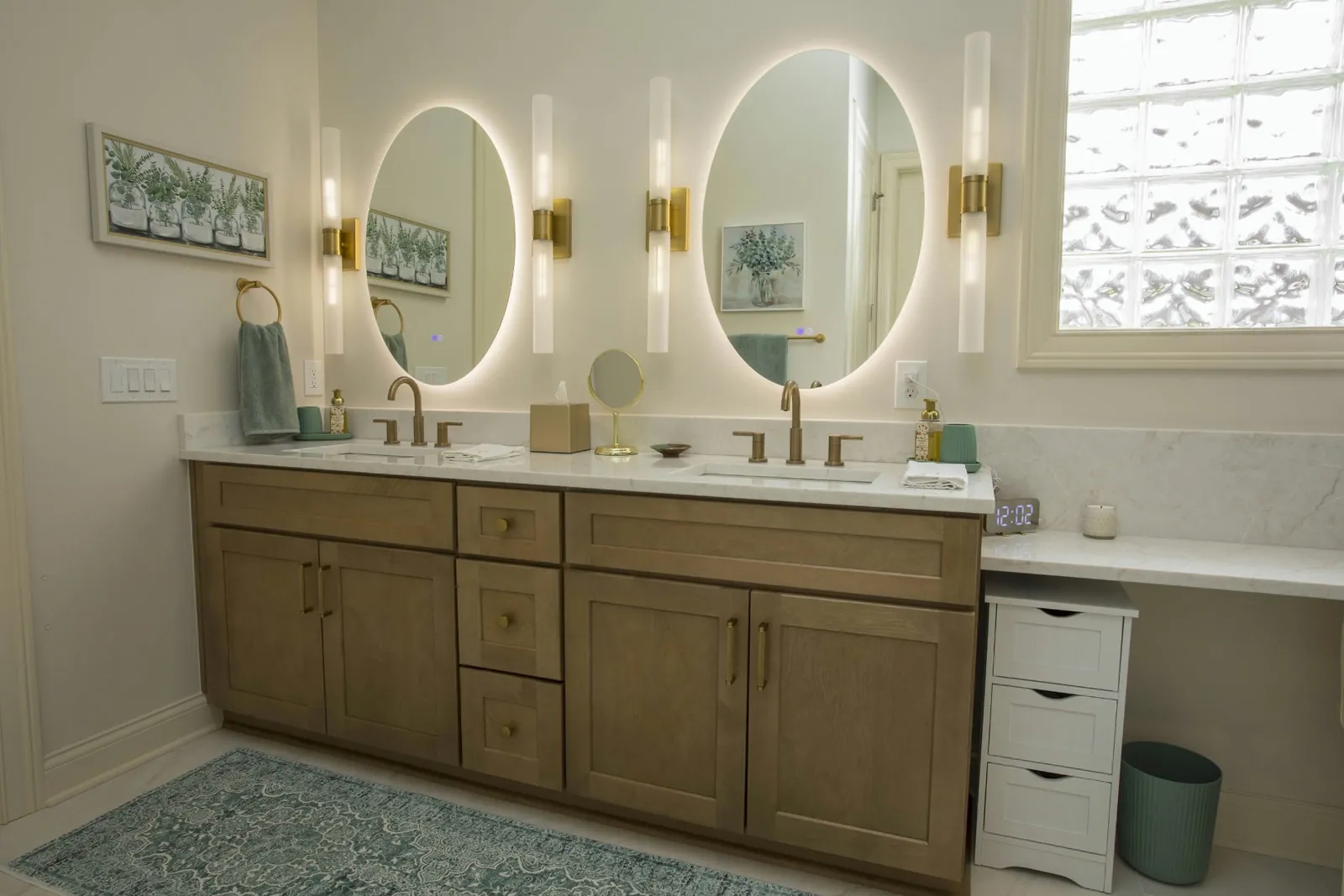

Bathroom remodels · Dublin and Westerville, Ohio · Gentry Custom Remodeling
"From our first meeting with Chris Alguire to observing the craftsmanship of each contractor, we knew we had chosen the right company. We couldn't be more satisfied."
Permit Requirements in Powell and Upper Arlington
Powell and Upper Arlington both administer residential permits through their own building departments, but the triggers for what requires a permit in kitchen and bathroom remodeling are consistent with Dublin's application of the Ohio Building Code. Permit timelines vary slightly: Powell typically processes residential applications in 5 to 10 business days, and Upper Arlington runs 7 to 14 business days for standard remodeling scopes.
New Albany and Westerville follow similar patterns. The practical implication for homeowners in these communities is the same as in Dublin: any project that touches structure, plumbing, electrical, or mechanical systems requires a permit, regardless of which municipality the home is in. The contractor is responsible for knowing the local requirements and submitting accordingly.
Gentry works across all of these communities regularly and maintains active relationships with each building department. Permit applications are submitted with complete documentation on the first submission, which avoids the revision cycles that add weeks to the approval timeline with contractors who are less familiar with local requirements.
Gentry Handles Every Permit and Inspection
The permit process is one of the clearest separators between a professional remodeling firm and a contractor who is cutting corners. Pulling permits, scheduling inspections, and ensuring that work passes review before walls close requires organization, knowledge of local requirements, and a willingness to be accountable for the quality of the work.
On every Gentry project in Dublin, Powell, Upper Arlington, and across Central Ohio, Gentry's project manager manages the permit timeline as part of the project schedule. Every trade permit, including electrical, plumbing, mechanical, and structural where required, is applied for before the trade begins work. Inspections are scheduled at the right phase of construction, not after the fact. The homeowner receives documentation of every permit and every passed inspection as part of the project close-out package.
All required permits, across every trade and scope, are applied for by Gentry under our license before work begins. You never manage this process.
Rough-in inspections for electrical and plumbing are scheduled before walls close. Final inspections are coordinated with the municipality before project sign-off.
Permit documentation and passed inspection records are included in your project close-out package. This protects you at resale and demonstrates that the work was done correctly.
"Gentry was by far the most professional that we have dealt with, always addressing any needs or concerns."
Frequently Asked Questions: Permits for Kitchen and Bathroom Remodels in Dublin, Ohio
Do you need a permit to remodel a kitchen in Dublin, Ohio?
Yes, for most kitchen remodels in Dublin. Any work involving wall removal, electrical changes beyond fixture replacement, plumbing relocation, gas line work, or new ventilation requires a permit. Cosmetic updates, including cabinet replacement in the same footprint, countertops, backsplash tile, and flooring, do not require permits.
Do you need a permit to remodel a bathroom in Dublin, Ohio?
Yes, for most primary bathroom remodels in Dublin. Tub-to-shower conversions, plumbing relocation, new electrical circuits, heated floor installation, and any layout changes require permits. Vanity replacement in the same location, tile replacement on walls and floors, and fixture swaps in place do not require permits.
Who pulls the building permit for a remodel in Ohio?
The licensed contractor is responsible for obtaining permits for their scope of work in Ohio. A homeowner should never be asked to pull a permit on behalf of a contractor performing the work. Gentry pulls all required permits for every project under our license before any work begins.
What happens if remodeling work is done without a permit in Dublin?
The bigger issue isn't a penalty, it's peace of mind. A permit means the work was reviewed and inspected by a third party, so you know it was done right and to code. That protection matters most where you can't see it: the framing, plumbing, and electrical behind the walls. When you sell, Ohio's property disclosure form asks what you know about the home, and permitted work lets you answer with confidence rather than guesswork. Doing it right the first time, with the paperwork to back it up, is always worth more than the cost of the permit.
The permit question is not really about bureaucracy. It is about whether the work in your home was done correctly, inspected by someone whose job is to verify that, and documented in a way that protects you when you go to sell. A contractor who discourages permits is a contractor who does not want their work inspected. That should tell you everything you need to know.
For a kitchen or bathroom remodel in Dublin, Powell, or Upper Arlington, the permit process is predictable, manageable, and fully handled by a professional remodeling firm before construction begins. You should never be in a position of wondering whether your project was permitted correctly. If you are asking that question after a project is complete, you are already dealing with the wrong outcome.
The right conversation to have is before anyone starts work: which permits are required for this scope, who is pulling them, and what does the inspection schedule look like. A contractor who can answer all three questions clearly and specifically is a contractor worth talking to further.
We pull these permits every week as a Dublin, Ohio remodeler, and handle them for every kitchen remodel and bathroom remodel we build.
We Handle Every Permit and Inspection
Start with a consultation. We will walk your home, scope the project, identify every permit requirement, and give you a clear picture of the process before any commitment is made.
6189 Memorial Dr, Dublin OH 43017 · 24 Five-Star Google Reviews · NARI Remodeler of the Year 2025