Written by the Gentry Custom Remodeling Team
Gentry Custom Remodeling is a Dublin, Ohio-based renovation and construction company specializing in kitchen remodeling, bathroom remodeling, basement remodeling, and whole-home remodeling.
Their structured project management approach has earned recognition throughout Central Ohio, including NARI Remodeler of the Year (RotY) Awards, NARI ACE Awards, Business First’s 50 fastest-growing companies recognition, Nextdoor Neighborhood Fave, Angi Super Service Awards, and an A+ rating from the Better Business Bureau.
As active members of NARI and the National Kitchen & Bath Association (NKBA), the company follows disciplined remodeling standards focused on documentation, sequencing, and clear homeowner communication.
About the Author: John Cassell
Owner & CEO
John Cassell founded Gentry Custom Remodeling to create a better remodeling experience for homeowners who value clarity, quality craftsmanship, and thoughtful design.
As owner and CEO, John leads the company with a focus on structured planning, organized project sequencing, and transparent communication throughout every phase of construction.
With hands-on leadership in kitchen remodeling, bathroom renovations, basement transformations, and whole-home remodeling projects, John emphasizes:
- Clear scope documentation
- Detailed pre-construction planning
- Trade coordination and oversight
- Accurate budgeting systems
- Disciplined construction management
As a NARI Remodeler of the Year award recipient and member of both NARI and NKBA, John ensures every project reflects industry-recognized standards and long-term value.
Home remodeling requires a clear plan, especially when you are updating more than one space at the same time. Without a strategy, projects can overlap, budgets can stretch, and timelines can expand.
Home remodeling works best when projects are prioritized with structure and purpose. This guide explains how to organize multiple remodeling projects, protect your budget, and create a logical construction sequence.
Define the Primary Goal of Your Project
Before construction begins, identify the main reason for remodeling.
Common goals include:
- Improving daily functionality
- Increasing property value
- Expanding usable square footage
- Updating outdated finishes
- Correcting structural or mechanical issues
When homeowners clearly define their objective, decision-making becomes easier. For example, if the goal is resale value, kitchens and bathrooms often move to the top of the priority list.
Address Structural and Mechanical Systems First
Every successful project starts with infrastructure.
Structural and system updates should always come before cosmetic improvements.
This includes:
- Foundation repairs
- Framing adjustments
- Plumbing upgrades
- Electrical panel updates
- HVAC modifications
- Water damage remediation
Completing these items first prevents rework and protects long-term investment.
Why Should You Plan the Order of Home Remodeling Projects in Dublin, Ohio?
Planning the sequence of home remodeling projects in Dublin, Ohio, prevents cost overruns and delays.
When projects are done out of order, homeowners may need to:
- Remove newly installed finishes
- Reopen walls
- Delay inspections
- Extend project timelines
A structured sequence typically follows this order:
- Structural changes
- Mechanical systems
- Insulation and drywall
- Cabinetry and millwork
- Flooring installation
- Paint and finishing details
Following this hierarchy reduces disruption and protects the overall remodel.
Prioritize High-Impact Spaces
Not all rooms carry equal weight.
High-impact areas often include:
- Kitchen remodeling
- Primary bathroom remodeling
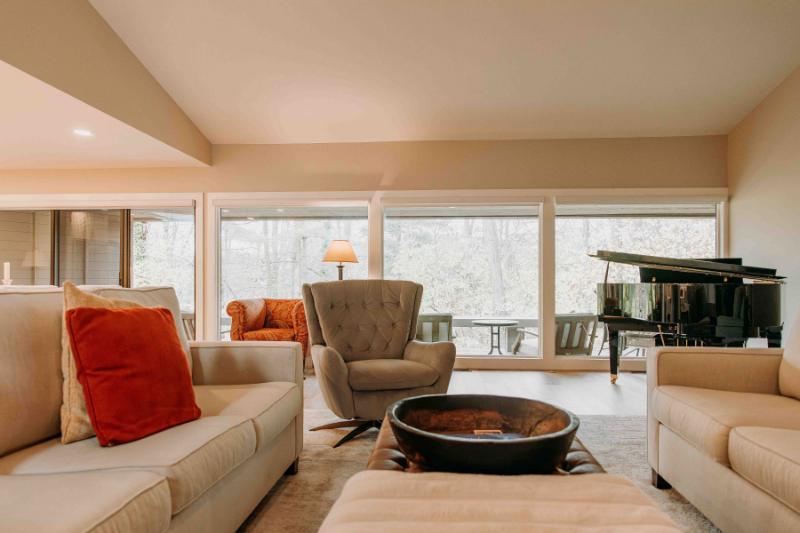
- Living room remodeling
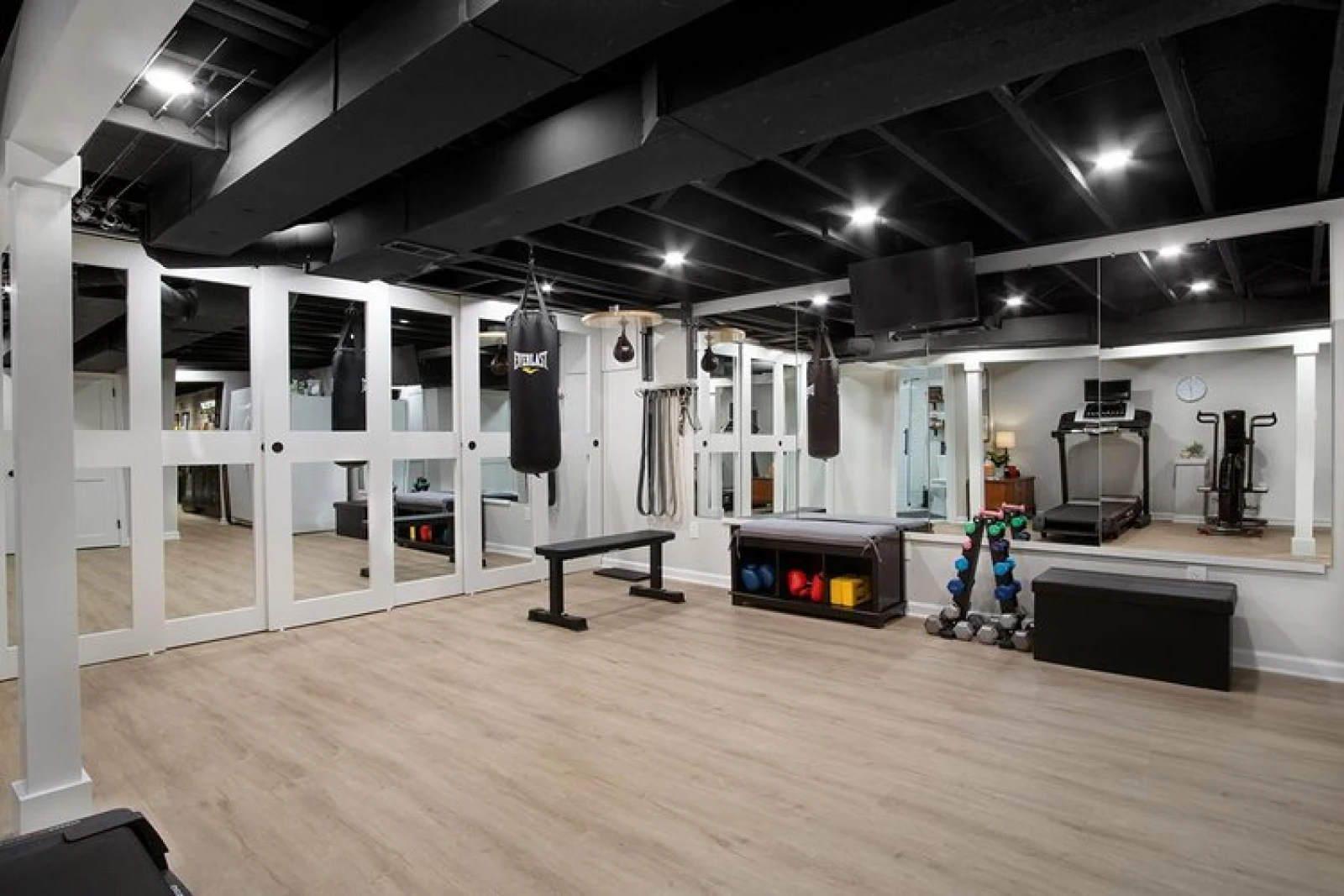
- Basement remodeling
These spaces affect daily life and long-term value.
If the budget is limited, prioritize the areas used most frequently.
Evaluate Project Interdependence
In multi-room home remodeling, projects often depend on one another.
For example:
- Expanding a kitchen may require moving load-bearing walls.
- Adding a bathroom affects plumbing throughout the home.
- Finishing a basement may require electrical panel upgrades.
Understanding these relationships helps avoid duplicated labor and unnecessary expenses.
Budget Allocation Strategy for Home Remodeling
Your budget should reflect your priorities.
Recommended Allocation Framework
| Project Type | Priority Level | Reason |
| Structural and Mechanical | High | Protects home integrity |
| Kitchen Remodeling | High | Daily use and resale impact |
| Primary Bathroom | Medium-High | Comfort and value |
| Basement Remodeling | Medium | Added usable space |
| Cosmetic Updates | Lower | Aesthetic improvement only |
Always set aside 15 to 20 percent as a contingency fund. Older homes in Dublin may reveal hidden wiring, plumbing, or structural concerns once walls are opened.
Minimize Disruption During Multi-Space Remodeling
Construction impacts daily routines.
Consider these disruption factors:
- Loss of kitchen access
- Limited bathroom availability
- Dust and noise
- Temporary relocation needs
Many homeowners choose to complete the most disruptive projects first. This reduces long-term inconvenience.
Whole Home Remodeling vs. Phased Remodeling
In some cases, whole-home remodeling is more efficient than updating rooms separately.
Whole Home Remodeling May Be Ideal When:
- Layout changes are needed
- Multiple systems require updates
- You plan to stay long term
- You want consistent design throughout
A comprehensive plan can reduce duplicate labor and provide stronger design cohesion.
Common Mistakes in Home Remodeling
Avoid these frequent errors:
- Starting without a master plan
- Underestimating the timeline
- Ignoring permit requirements
- Choosing trend-based finishes over durable materials
Strategic planning reduces these risks.
Example Multi-Space Remodeling Priority Framework
Below is a sample prioritization structure for a typical Dublin homeowner:
- Repair foundation crack in basement
- Upgrade electrical panel
- Remodel kitchen layout
- Update primary bathroom
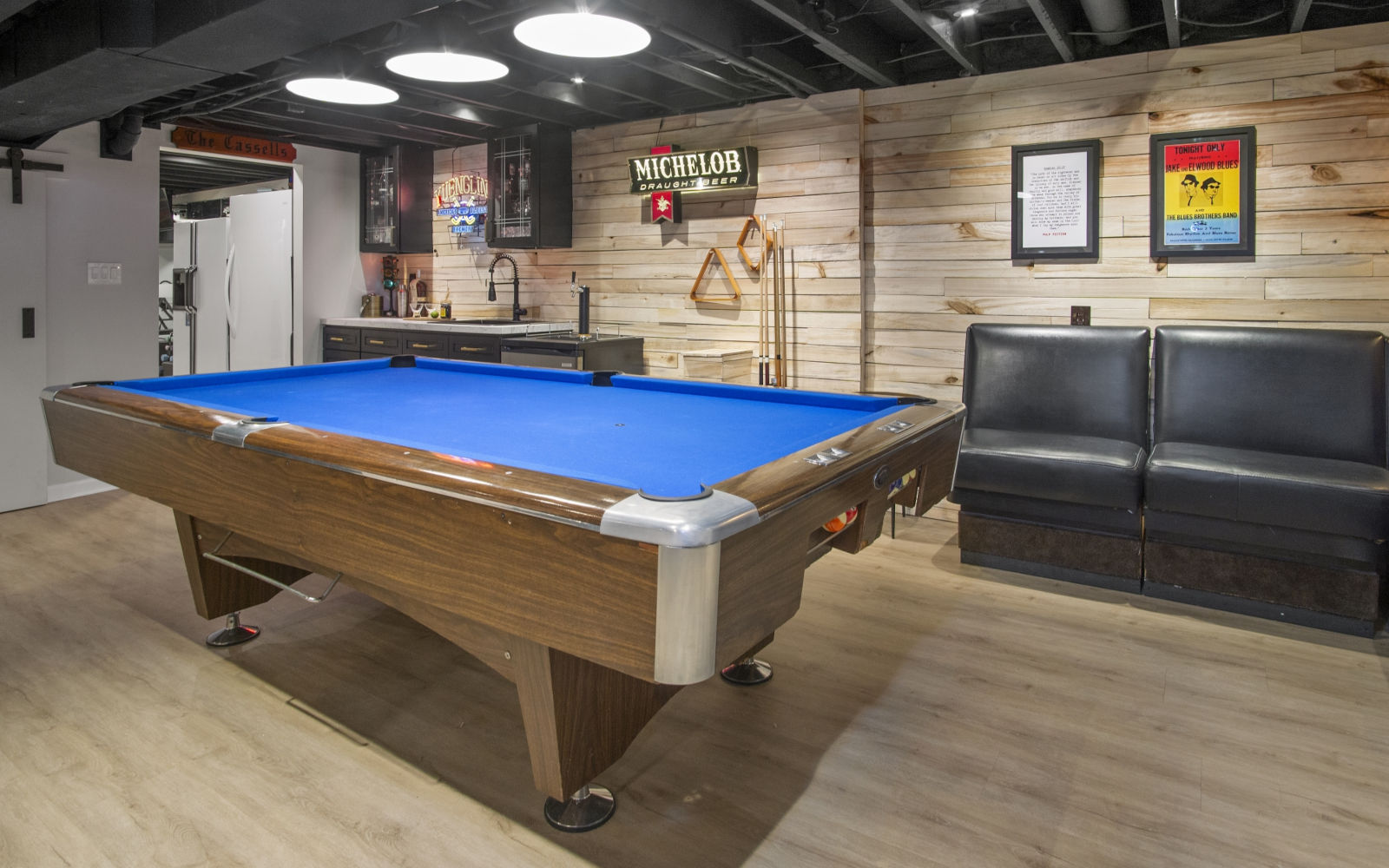
- Finish basement entertainment area
- Refresh paint and trim in secondary rooms
This approach moves from essential systems to high-impact living spaces, then to cosmetic improvements.
Long-Term Value of Structured Home Remodeling in Dublin, Ohio
Home remodeling in Dublin, Ohio, is an investment in property value and quality of life.
When projects are sequenced properly, homeowners benefit from:
- Improved efficiency
- Reduced construction delays
- Lower risk of rework
- Higher resale potential
- Better space functionality
Careful prioritization creates lasting results.
Internal Resources for Home Remodeling Planning
For deeper planning guidance, homeowners often review:
- Kitchen remodeling planning guides
- Bathroom remodeling cost breakdowns
- Basement remodeling design considerations
- Whole home renovation timelines
Exploring these topics supports informed decisions before construction begins.
Final Thoughts on Home Remodeling in Dublin, Ohio
Home remodeling in Dublin, Ohio, succeeds when projects follow a clear hierarchy. Structural integrity comes first. Mechanical systems follow. High-impact spaces are prioritized. Cosmetic updates come last.
Gentry Custom Remodeling provides whole-home remodeling services throughout Dublin, Ohio, and surrounding communities. If you are planning home remodeling in Dublin, Ohio, and want a structured approach backed by experience, connect with a team that understands how to prioritize projects correctly and guide you through every phase.
Frequently Asked Questions
What are the benefits of whole-home remodeling compared to phased remodeling?
Whole-home remodeling can be more efficient than phased remodeling, especially when significant layout changes are needed or multiple systems require updates. It allows for a cohesive design throughout the home and minimizes duplicate labor. If you plan to stay in your home long-term, a comprehensive remodel can enhance both functionality and aesthetics, ultimately increasing property value. However, phased remodeling may be suitable for those on a tighter budget or who prefer to tackle projects one at a time.
How can I minimize disruption during a multi-space project?
To minimize disruption during multi-space remodeling, consider completing the most disruptive projects first, such as kitchen and bathroom renovations. This approach allows you to establish essential living spaces before tackling less critical areas. Additionally, planning for temporary relocations, setting up alternative cooking and bathing arrangements, and communicating with your remodeling team about timelines can help reduce the impact on your daily routine. Keeping a clean and organized worksite can also help manage dust and noise levels.
What common mistakes should I avoid when remodeling my home?
Common mistakes in home remodeling include starting without a master plan, underestimating the timeline, and ignoring necessary permits. To avoid these pitfalls, create a detailed plan, allocate sufficient time for each phase, and consult professionals to ensure compliance with local regulations and standards.
How do I determine the right budget for my project?
Determining the right budget for your project involves assessing your priorities and the scope of work. Start by identifying high-impact areas, such as the kitchen and bathrooms, which typically require a larger investment. Allocate funds for structural and mechanical updates first, as these are crucial for home integrity. It’s also wise to set aside 15-20% of your budget as a contingency fund for unexpected expenses. Consulting with a remodeling professional can provide valuable insights into realistic budgeting based on your specific needs.
What factors should I consider when prioritizing projects?
When prioritizing remodeling projects, consider factors such as the impact on daily life, potential return on investment, and project interdependence. High-impact areas like kitchens and bathrooms should be prioritized for their functionality and resale value. Additionally, assess how projects may affect one another; for example, expanding a kitchen may require plumbing adjustments that impact other areas. A clear understanding of these relationships will help you create a logical sequence that maximizes efficiency and minimizes costs.
How can I ensure my project adds long-term value to my home?
To ensure your remodeling project adds long-term value, focus on high-impact areas that enhance functionality and appeal, such as kitchens and bathrooms. Use durable materials and timeless designs rather than trendy finishes that may quickly go out of style. Additionally, prioritize structural and mechanical updates to maintain the integrity of your home. Working with experienced professionals who understand local market trends can also help you make informed decisions that align with buyer preferences, ultimately increasing your home’s resale potential.